
Rope Material Factory; an Introduction
rope material factory for furniture and decoration
Rope weaving material has become a popular choice for furniture and architectural decoration, both indoors and outdoors. Its unique aesthetic appeal, combined with durability and weather-resistant properties, makes it a sought-after material for contemporary design projects. In this article, we will explore how rope weaving materials are made, their various applications, and the reasons why they are ideal for both indoor and outdoor use. Additionally, we will highlight NEXTOUCH, a well experienced rope material factory with a proven track record in producing high-quality weaving materials.
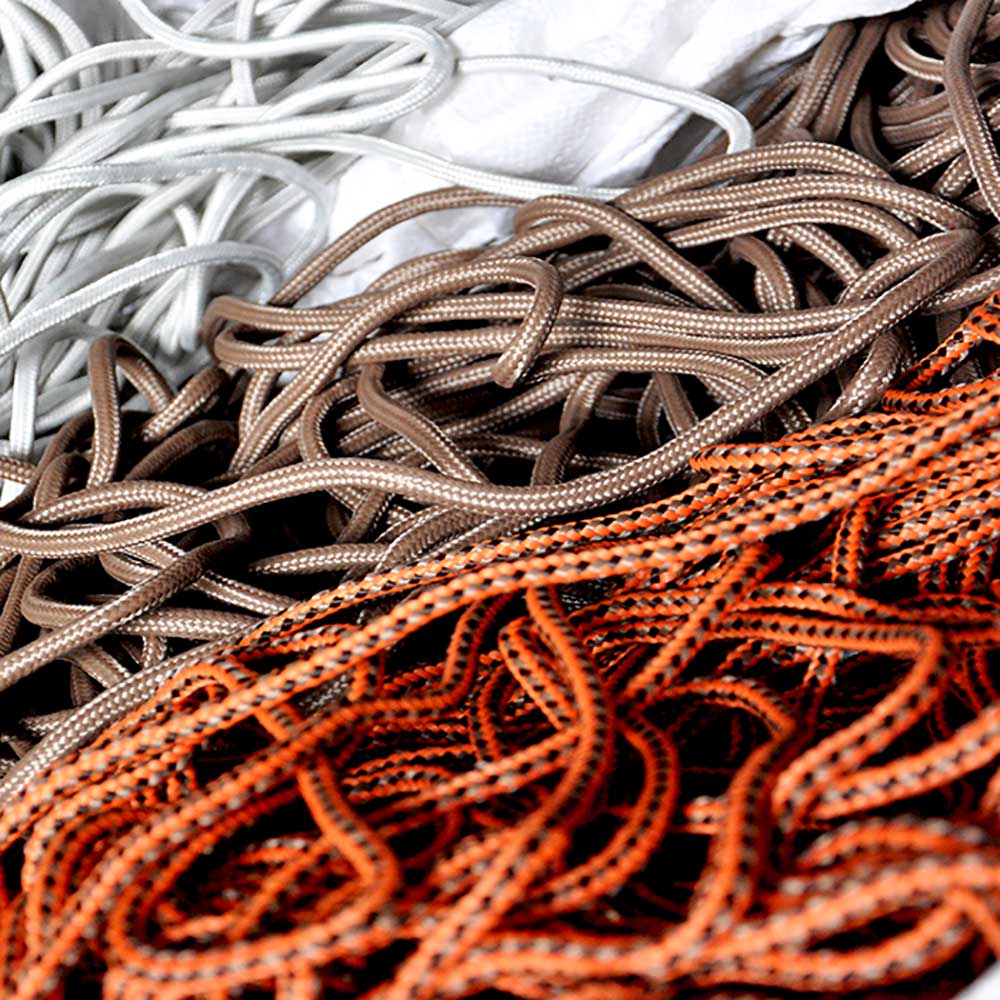
Understanding Rope Weaving Material
Rope weaving materials are made by intertwining natural or synthetic fibers to create a strong, flexible, and durable structure. These materials can be used to craft furniture, such as chairs, tables, sofas, and decorative panels, that add an organic yet modern touch to interiors and exteriors. The weaving process enhances the rope’s strength and creates intricate patterns that bring visual interest to any space.
How Rope Weaving Material is Made
The manufacturing process of rope weaving material involves several steps, from selecting the right fibers to weaving and finishing. The primary fibers used in making rope weaving material can be categorized into two types:
1. Natural Fibers:
- Jute, hemp, cotton, and sisal are commonly used natural fibers.
- These fibers offer a rustic and eco-friendly appeal.
- They are breathable and biodegradable, making them suitable for indoor applications.
2. Synthetic Fibers:
- Polypropylene, polyester, and nylon are popular synthetic fibers used in rope weaving.
- These fibers are weather-resistant, UV-stabilized, and offer greater durability than natural fibers.
- Synthetic ropes are ideal for outdoor furniture and decorative elements due to their ability to withstand harsh weather conditions.
The fibers are braided or twisted into ropes of varying thicknesses, which are then woven into different designs using hand or machine weaving techniques. The weaving process can be customized to achieve different textures, patterns, and strengths, depending on the intended use of the rope material.
Benefits of Using Rope Weaving Material in Furniture and Architectural Design
Rope weavinBeg material offers a range of benefits that make it a superior choice for various applications. Here are some of the key advantages:
1. Durability
One of the primary benefits of rope weaving material is its durability. The tightly woven structure makes it resistant to wear and tear, ensuring that furniture and decorative elements maintain their shape and functionality for years. Synthetic rope weaving materials, in particular, are highly resistant to moisture, UV rays, and temperature fluctuations, making them ideal for outdoor use.
2. Weatherproof Properties
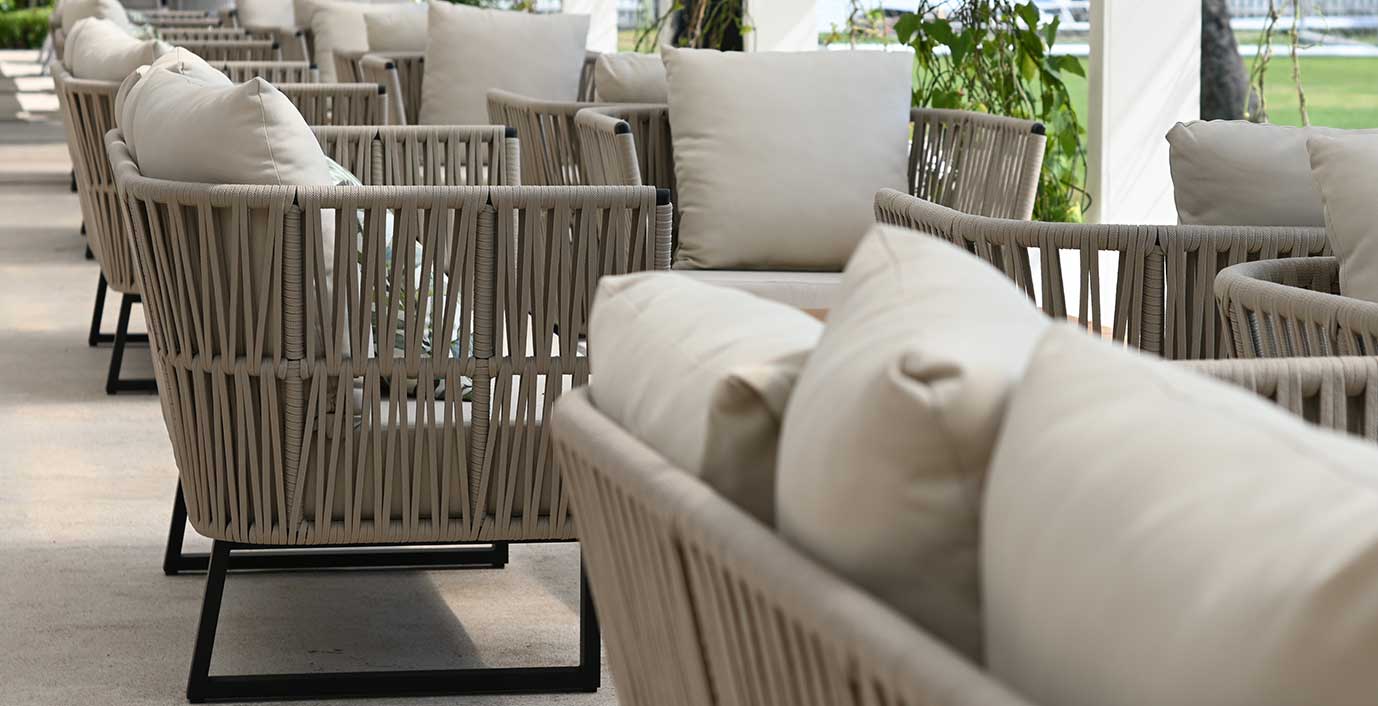
When it comes to outdoor furniture and decoration, weatherproofing is essential. Rope weaving materials made from synthetic fibers like polypropylene and polyester are naturally water-resistant and UV-resistant. These materials do not fade, crack, or degrade when exposed to sunlight or rain, making them perfect for outdoor spaces such as patios, gardens, and poolside areas.
3. Aesthetic Appeal
Rope weaving materials add a unique visual appeal to furniture and interiors. The handcrafted, woven texture brings warmth and character to any space, blending seamlessly with different design styles, from bohemian and rustic to modern and contemporary. Rope weaving can be used to create intricate patterns and designs that enhance the overall aesthetic of furniture pieces and architectural elements.
4. Versatility
Rope weaving material is incredibly versatile and can be used in various applications, including:
- Furniture: Chairs, sofas, benches, tables, and headboards.
- Decorative Elements: Room dividers, wall panels, ceiling installations, and hanging light fixtures.
- Architectural Features: Facades, pergolas, and handrails.
Its adaptability to different environments and styles makes it a favorite choice among designers and architects.
Indoor vs. Outdoor Applications
Indoor Use
For indoor applications, rope weaving materials made from natural fibers are popular due to their soft texture and eco-friendly appeal. These materials can be used in living rooms, bedrooms, and dining areas to create cozy and stylish furniture pieces that add a touch of nature to interiors.
Outdoor Use
Outdoor furniture and decorative elements require materials that can withstand harsh weather conditions. Synthetic rope weaving materials are perfect for outdoor use as they are:
- Waterproof: They do not absorb water, preventing mold and mildew growth.
- UV-Resistant: They maintain their color and integrity even when exposed to direct sunlight.
- Temperature-Resistant: They can withstand both extreme heat and cold without cracking or deteriorating.
